PROCESS
ENGINEERING SOLUTIONS
Comprehensive range of heat transfer equipment designed and manufactured to international standards
INTRODUCTION
HEAT EXCHANGERS MANUFACTURING
SPARTANS PROCESS offers specialised heat exchanger services as part of our Mechanical Completion and Commissioning division, designed to optimize performance and extend the life of your equipment. With expertise in various heat exchanger types, including plate, shell, and tube exchangers, SPARTANS PROCESS ensures that your heat transfer systems operate reliably and efficiently.
Design and Engineering
Material Procurement
Tube Fabrication
Tube Sheet Fabrication
Shell Fabrication
SPARTANS provides an integrated life-cycle approach to support our Clients’ capital investments. SPARTANS serves Clients in a wide variety of traditional and evolving industries worldwide, including power/energy and oil & gas, cement, mining and metals, industrial, and government. SPARTANS Industries is one of the largest suppliers of special industrial equipment and auxiliary units/parts for power plants and petrochemical processes, especially in the Middle East, Africa and European Countries. Although its head office is in Istanbul, it continues its activities in Ankara under the umbrella of Zack Power. In addition, Berlin - Germany / California-New York USA is structured in Erbil-Baghdat Iraq. SPARTANS has contracted heavy-duty workshop facilities in Istanbul / Çorum / Tekirdağ – TURKIYE AND Delta State NIGERIA
Installation & Assembly
Welding and Brazing
Testing and Quality Assurance
Surface Treatment
Final Inspection and Packaging
Our products include:
Serpentine coils, Finned pipes, Steam radiators, Hot oil radiators, Drying radiators, Air conditioning unit radiators, Heat exchangers, Boilers, Apparatus, Stainless steel structures, Stainless steel tanks.
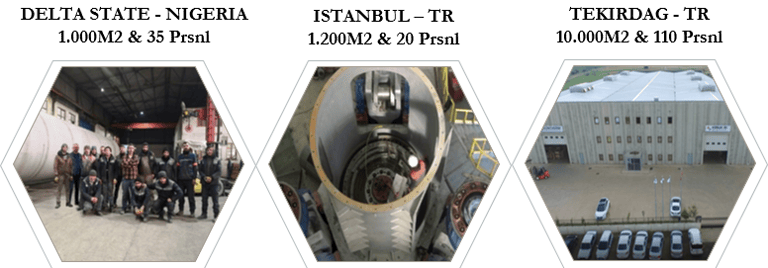

Our workshops has advanced production lines andertical-horizontal CNC machineries for manufacture heavy parts and also to manufacture about pressure vessel systems and cooling radiators, exchangers, preheaters, air heaters, reboiler, economisor, etc with ASME and U Stamp Certificates. U Stamp products are manufactured exclusively in Turkiye.
Our factory and head office is located in Tekirdag, in the North-West of Turkiye. It spread on approximately 10,000 square meters of manufacturing space. There, our production facilities include:
6 x 10 ton overhead travelling cranes with a maximum single lift of 20 tons
Shot blasting bay, 20m x 6m x 6m with painting and metal spraying facilities
Extensive machine shop and heat exchanger fabrication areas, including flame cutting for carbon and stainless steel, CNC cutting, milling and turning machines
Extensive welding assembly capabilities, using the latest techniques
Quality control and inspection departments, including in-house non-destructive testing facilities
PRODUCTS & SERVICES
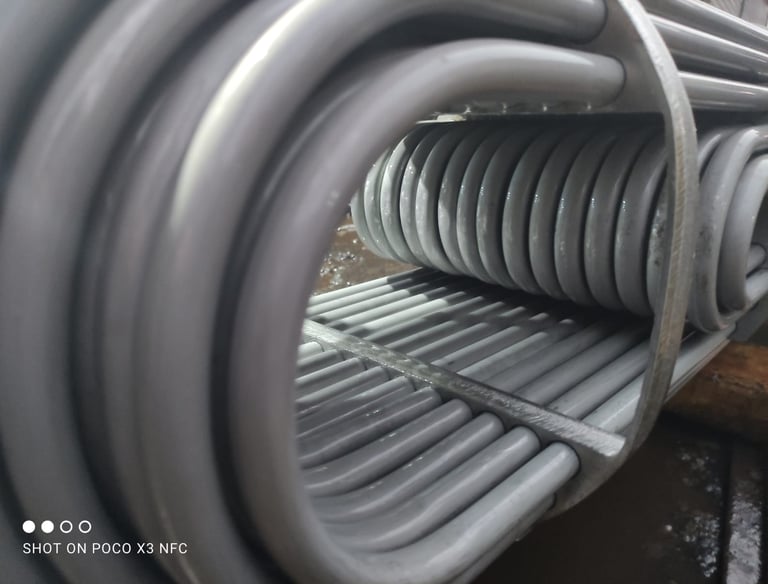
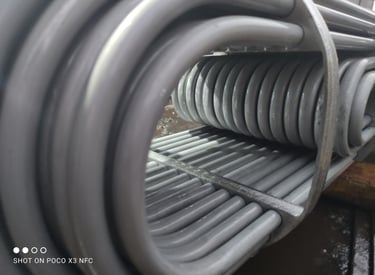
SHELL & TUBE HEAT EXCHANGERS
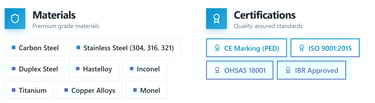
Our fabrication facility is equipped with the latest technology and dedicated fabrication halls for carbon steel and white products, such as stainless steel, brass, and special alloys.
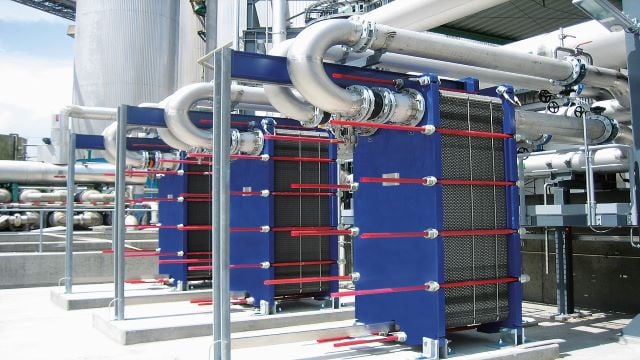
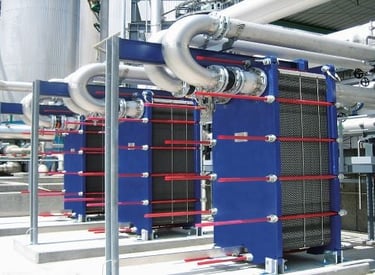
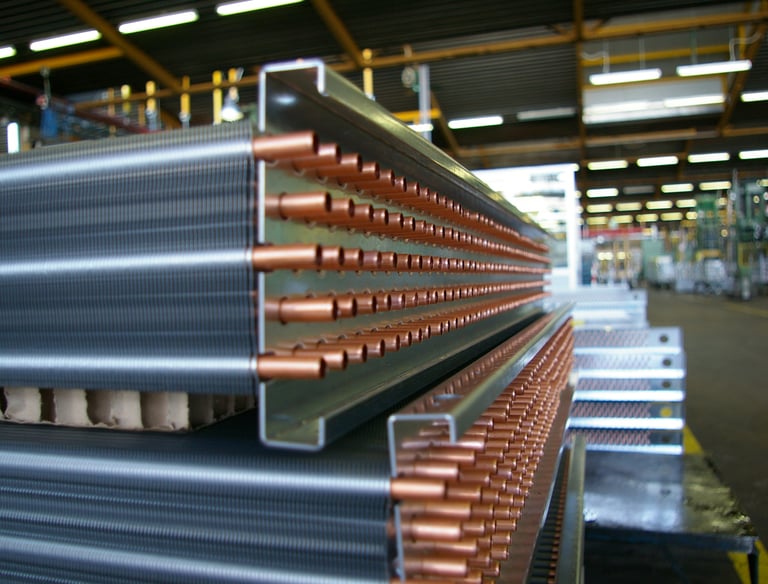
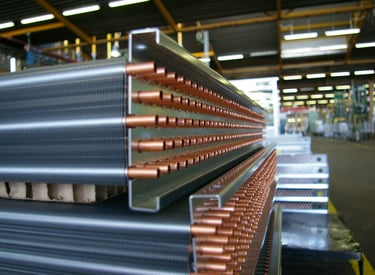
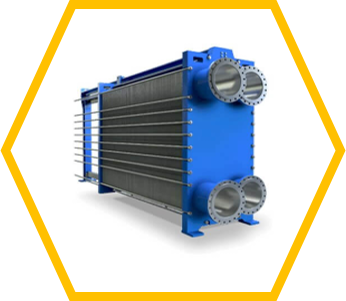
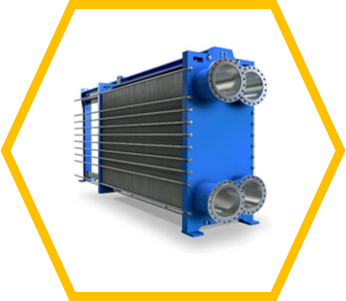
PLATE HEAT EXCHANGERS
Brazed and fusion-bonded plate heat exchangers | Gasketed plate-and-frame heat exchangers |Welded plate heat exchangers | Plate-and-fin heat exchangers.
COOLING BATTERIES
Our products include air cooling (passive/active), liquid cooling (cold plates), and advanced immersion cooling
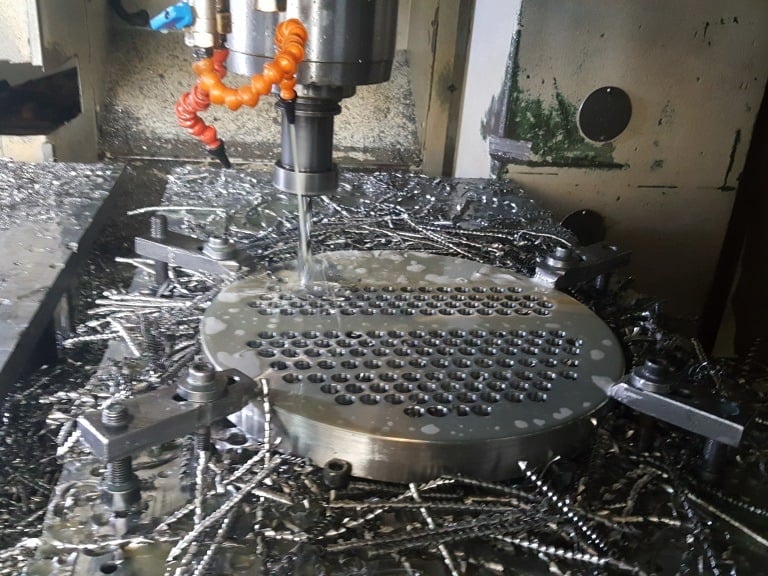
TUBE PLATE CNC
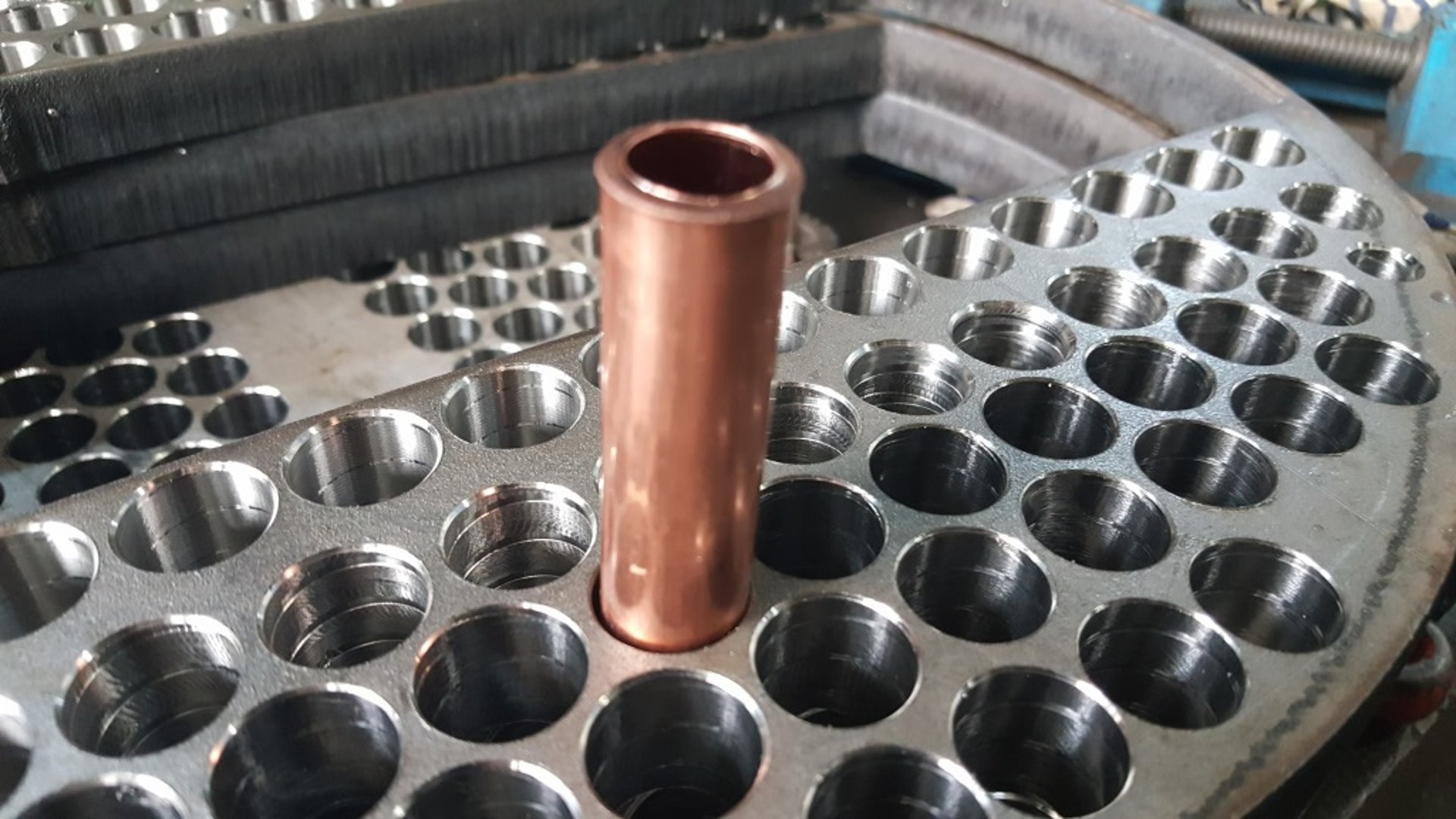
Heat Exchanger Tube Sheet performance under fluctuating thermal loads is governed by its ability to minimize differential expansion stresses. Multi-pass welding qualification procedures, PWHT (Post Weld Heat Treatment), and controlled ferrite content in stainless steel tube sheets reduce stress risers.
DRY AIR COOLER
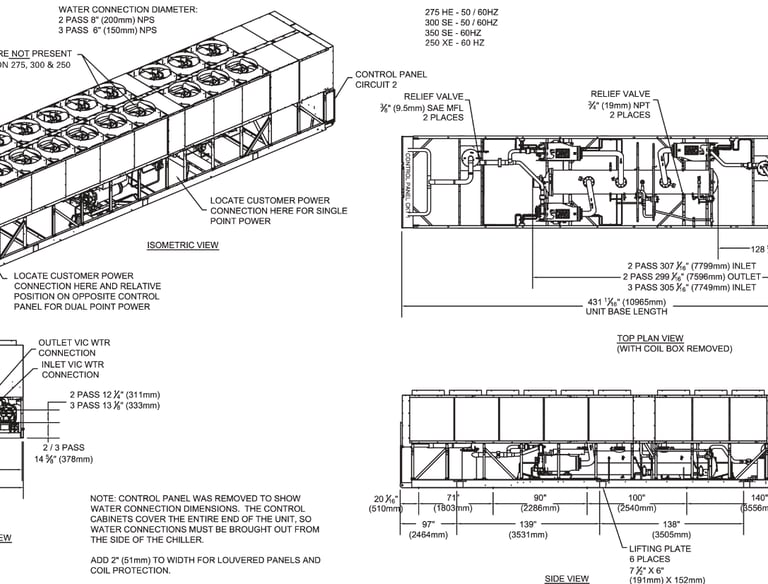
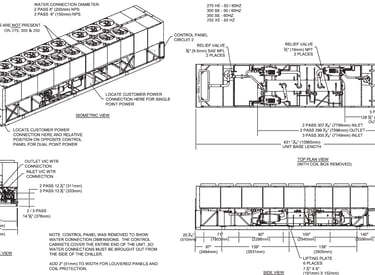
Dry coolers are available in a wide performance range between approx. 5 and 2,000 kW dry cooling performance. Depending on case of application, you can select between different series. All dry coolers are available in different noise levels and naturally suitable for outside installation.
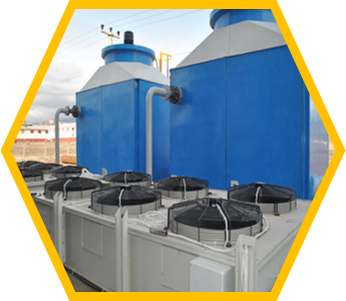
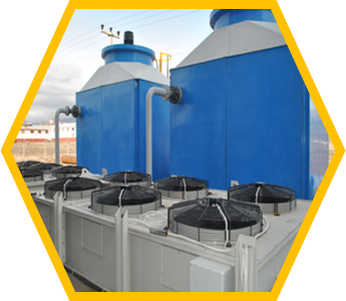
WATER COOLING TOWER
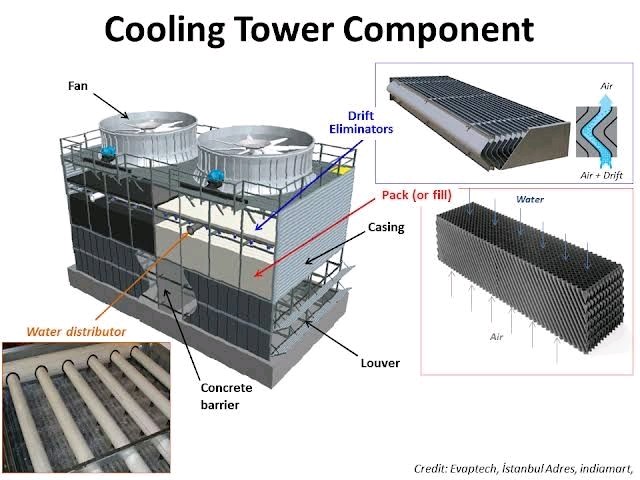
Cooling towers offer a proven and cost-effective solution for rejecting heat from condenser water and industrial processes. During operation, the condenser water or process water flows directly over the heat transfer surface of the cooling tower.
PROCESS DESIGN SOLUTIONS
HEAT EXCHANGERS
1- HEAT EXCHANGER DESIGN
For sizing a heat exchanger, several thermal phenomena should be considered first:
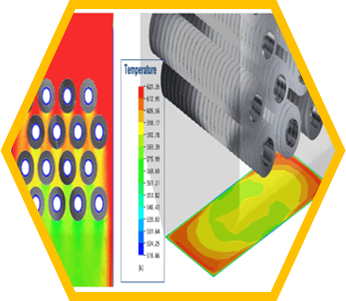
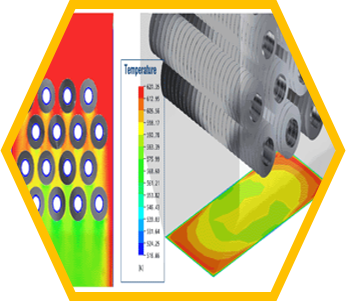
Forced convection of both fluids: Convection is the transfer of heat between a wall and a flowing fluid, both having different temperatures. In the case of heat exchangers, it is called forced convection as it is caused by artificial circulation (pumps, turbines, fans…)
Conduction: This is the transfer of heat which occurs naturally through the walls, plates and tubes. This phenomenon is based on the principle of thermal agitation without movement of material.
Thermal radiation which could be considered as negligible
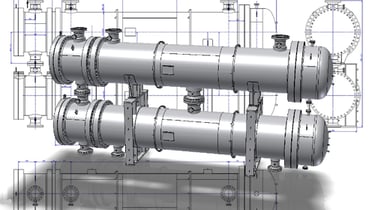
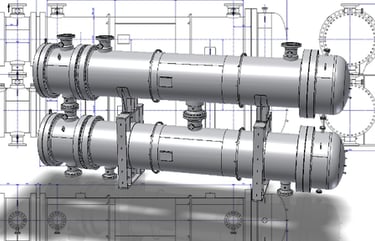
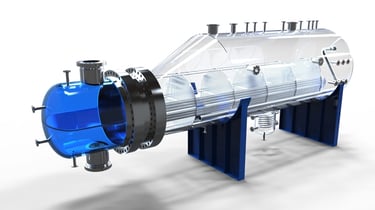
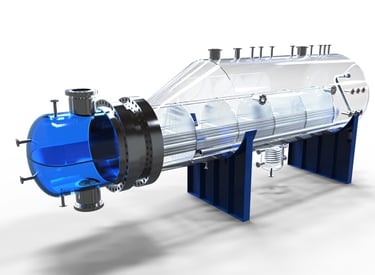
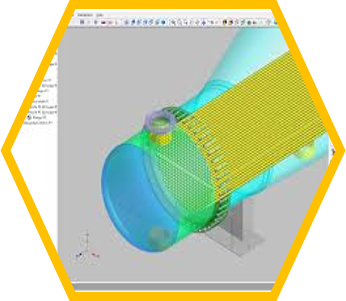
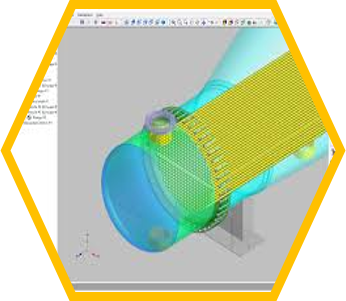
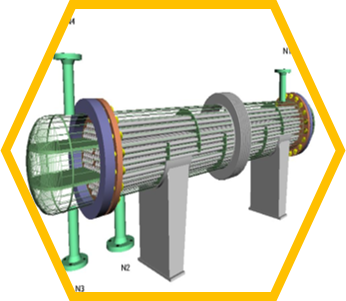
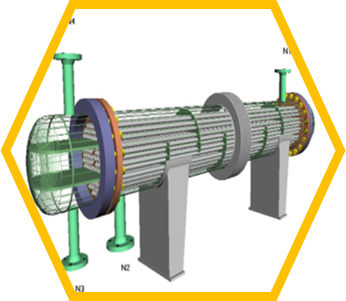
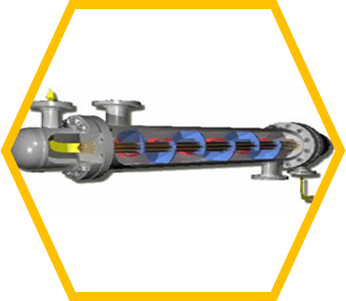
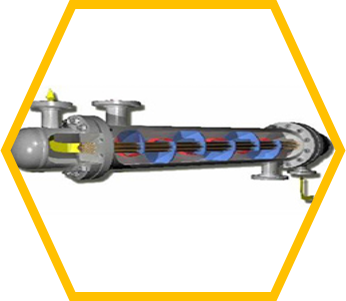
Heat exchangers are energy conservation equipment used to transfer heat between two or more fluids (particularly hot and cold fluid). Of the various types of heat exchangers used in various industries, the shell and tube heat exchanger is probably the most versatile and widely used in most industrial sectors.
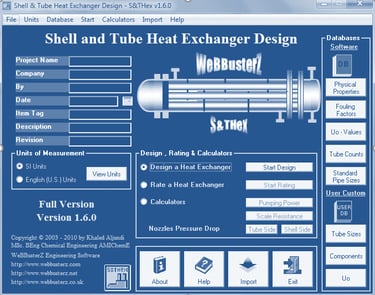
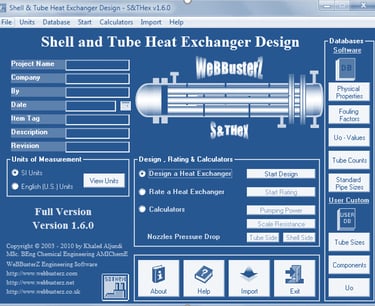
In PetroPlat engineering design, the optimization of a heat exchanger design can be viewed at three different levels: 1) the identification of a heat exchanger design that meets the process specifications (described below) at the lowest initial cost; 2) the identification of a heat exchanger design that will meet process specifications and operate most satisfactorily over the lifetime of the plant; 3) the identification of a system of heat exchangers and auxiliary components that will meet plant process specifications with minimum total cost to the process (including utilities and lost production).
1.The choice of technology
Selection of the optimum technology is linked to:
The thermal program (Required temperatures, efficiency…)
The nature of the fluids
The application
The constraints of installation and maintenanceTaking account of all these elements enables to define the type of heat exchanger (Plate heat exchanger,shell and tube heat exchanger…) and materials. Sometimes it is required to use a specific material that will define the choice of exchange type (e.g. compulsory titanium on an application with sea water cannot be used on all types of heat exchangers).
2.Thermal design
2.a. Validation of the thermal program
Once the technological choices made, we will proceed to the design of the heat exchanger , i.e. determining its power, size and geometry. It is first necessary to validate the data of the thermal program, with the following 3 formulas:
Thanks to those formulas, the other data can be calculated. Here we have:
i.e.
Tout=73°C
Total power: 650,000 KCal/h or 756 KW


2.b. Calculation of the heating surface
First, LMDT (Logarithmic mean temperature difference) shall be calculated. The LMDT is the logarithmic average of the temperature differences at each end of the heat exchanger.
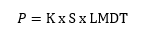
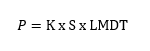
Once LMDT and Power have been calculated, the heat exchanger calculation can be done as per the following formula:
K: Heat Transfer Coefficient in KW/°C/m2 that is specific to each type of equipment and given by the manufacturer.
S : Heating area in square meters.
2.c. Calculation of K and incrustation
The Heat Transfer Coefficient of an heat exchanger is given by :
h1 and h2: Local Heat exchange Coefficients calculated as per the local geometry as well as dimensionless numbers such as Reynolds (Re), Prandlt (Pr) and Nusselt (Nu).
Getting the Heat Transfer Coefficient (HTC or K) enables to find the heating area and hence sizing the heat exchanger.
3. Calculation of the heat exchanger pressure drop
A moving fluid undergoes energy losses due to friction on the walls (regular head loss) or mishaps (singular head losses) such as baffles, for example. This loss of energy, expressed in pressure drop (△P) must be compensated to allow the fluid to move.
When the heat exchanger is designed, the heat exchanger pressure drop can be calculated with different correlations determined by the characteristics of the exchange surfaces.
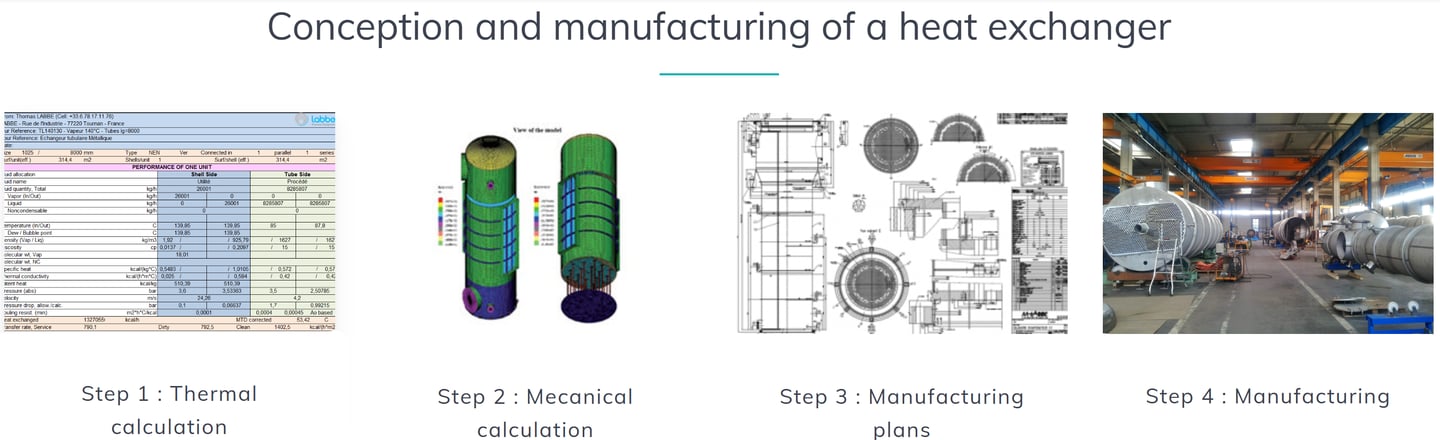
Steps 2 and 3 are made by interdependence and iterations, as shown in the summary diagram below:
HEAT EXCHANGER EFFICIENCY AND EFFECTIVENESS
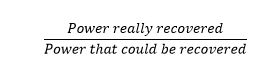
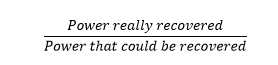
We must not confuse efficiency and effectiveness. Indeed, considering no loss by radiation, therefore the effectiveness of a heat exchanger is equal to 1.
The efficiency (yield) corresponds to the following formula:

DESIGN STEPS
Preliminary design: The first step is to determine the specific requirements of the heat exchanger, including its size, capacity, material, and intended use.
Thermal design: Engineers calculate heat transfer rates, temperature differentials, and flow rates to determine the exchanger’s core specifications.
Mechanical design: This phase focuses on structural integrity, pressure, and stress analysis to ensure the exchanger can withstand its operating conditions.
2- SHELL & TUBE HEAT EXCHANGERS
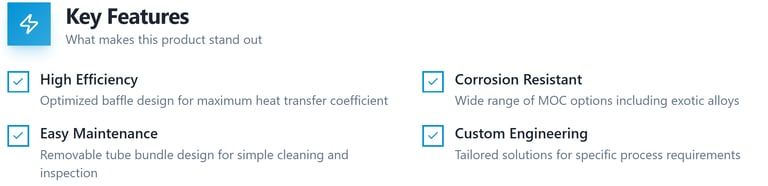
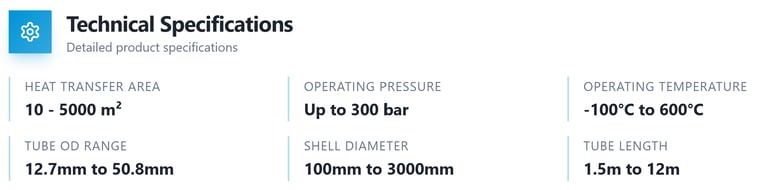
Our Shell & Tube Heat Exchangers are designed and manufactured to meet the most demanding industrial requirements. With over 25 years of expertise, we deliver solutions that excel in efficiency, durability, and performance across petrochemical, power generation, and process industries.
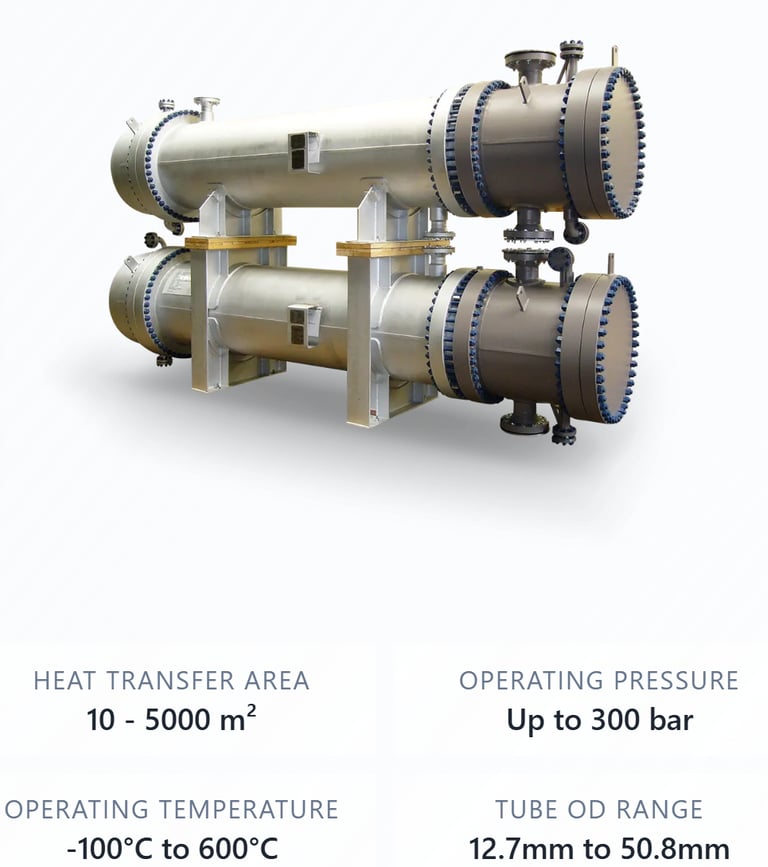

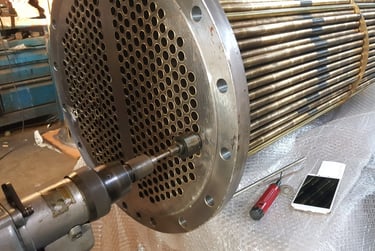
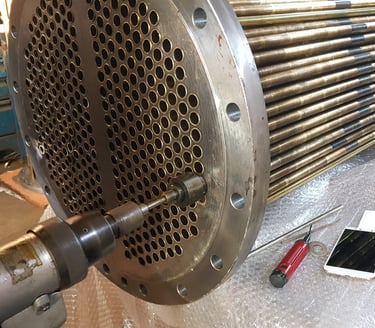
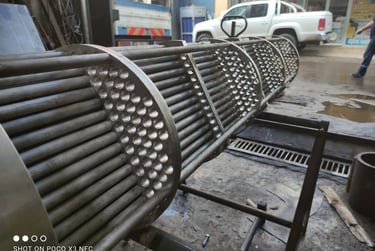
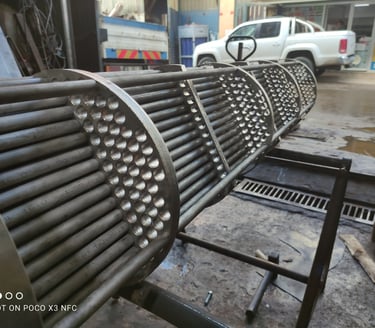
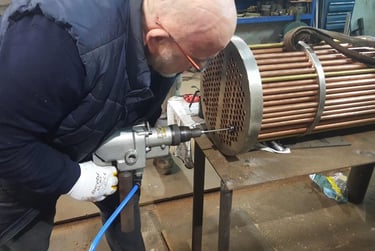
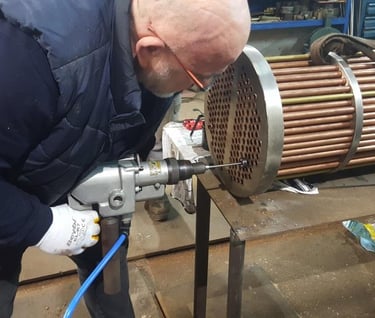
C320 GE Fr.6 Lube Oil S&T Exchanger Retubing
TP. 15b | Brass | Asme Tema Type BEU/AEU
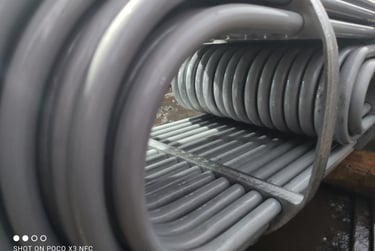
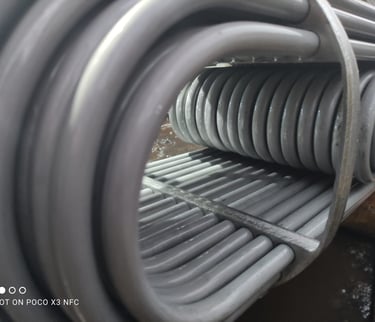
C300 GE Fr.5 Lube Oil S&T Exchanger Retubing
TP. 15b | SS. 316T | Asme Tema Type BEU/AEU
C330 GE Fr.5 Lube Oil S&T Exchanger Retubing
TP. 15b | Cu | Asme Tema Type BEU/AEU
C500 Rolls Royce Lube Oil S&T Exchanger
TP. 15b | Titanium | Asme Tema Type BEU/AEU
3- PLATE HEAT EXCHANGERS
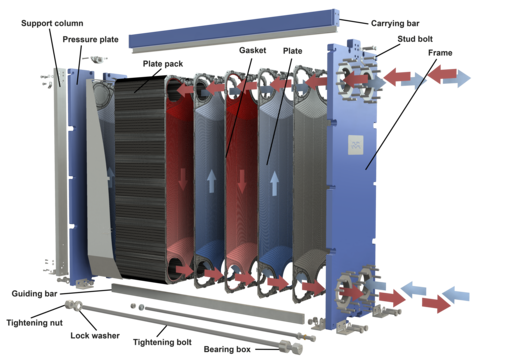
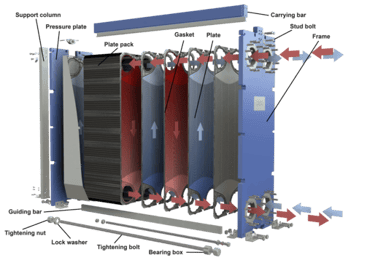
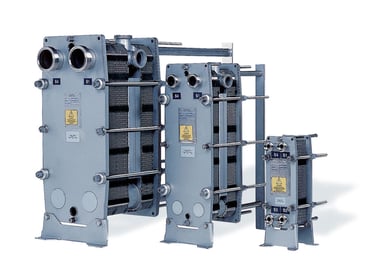
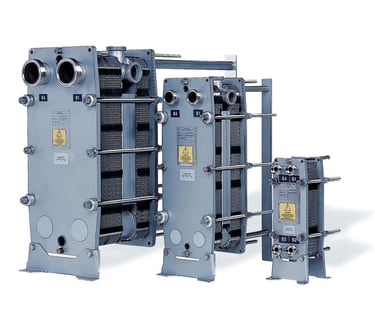
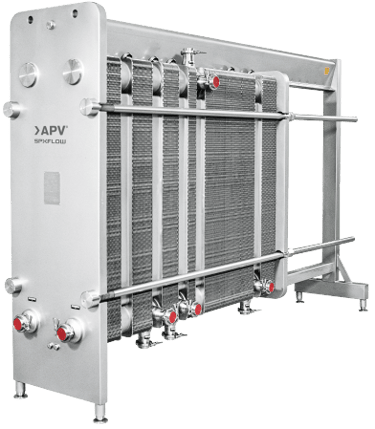
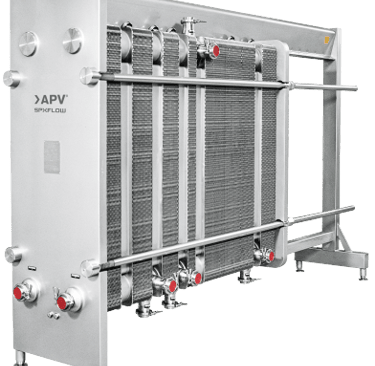
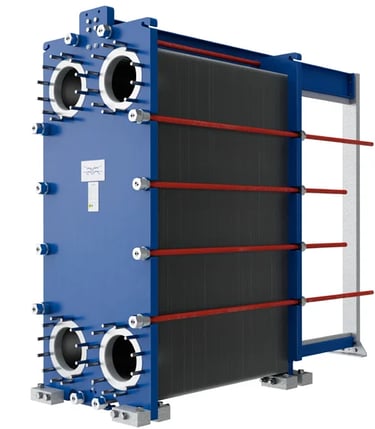
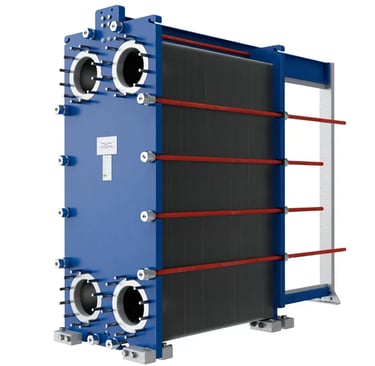
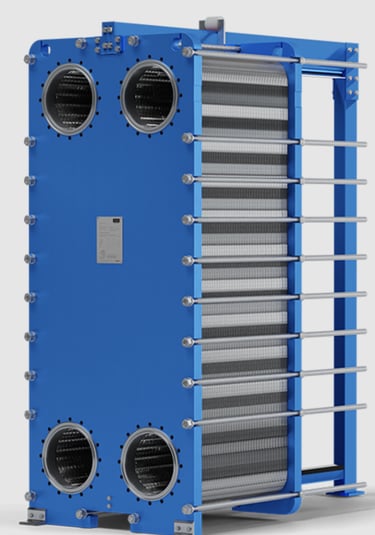
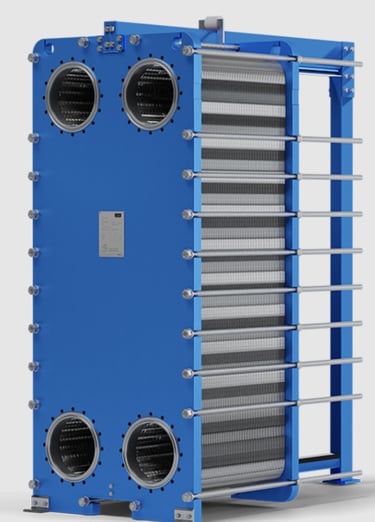
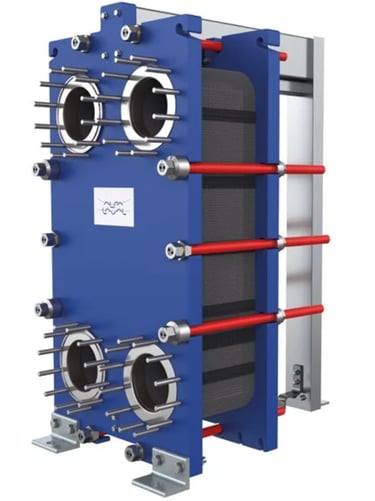
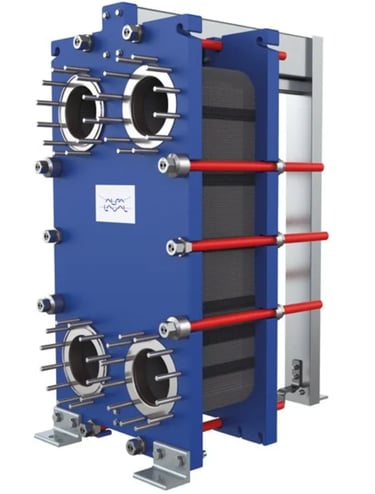
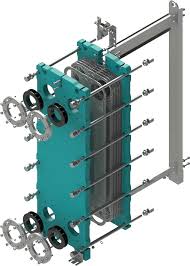
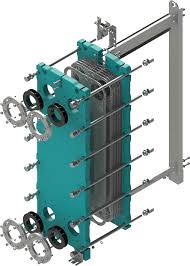
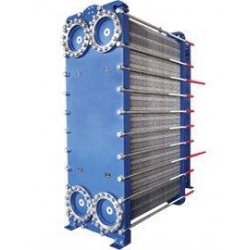
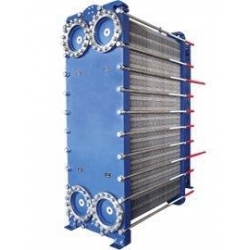
Gasketed Plate Heat Exchangers (GPHEs): These modular units are built for flexibility and maintainability. You can open them up, clean the plates, replace gaskets, and scale the system as your needs change. Ideal for industries where uptime is crucial but fouling is a risk—like chemical, marine, and HVAC.
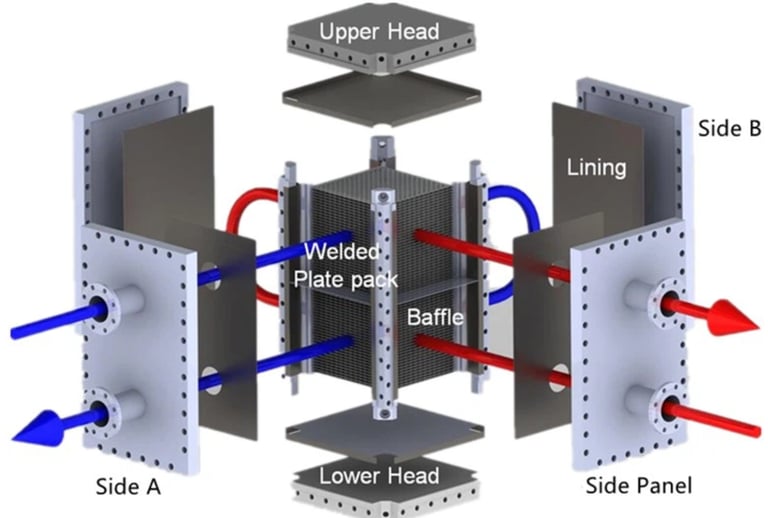
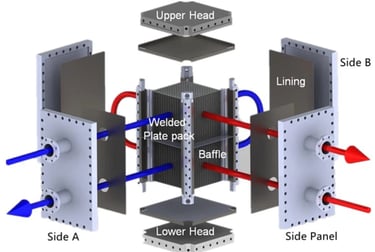
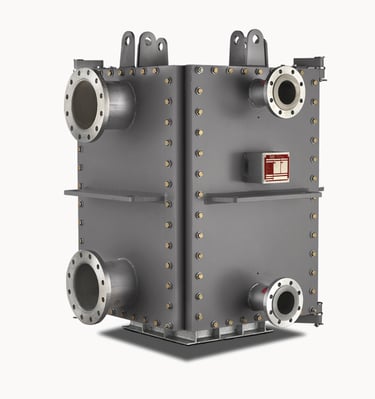
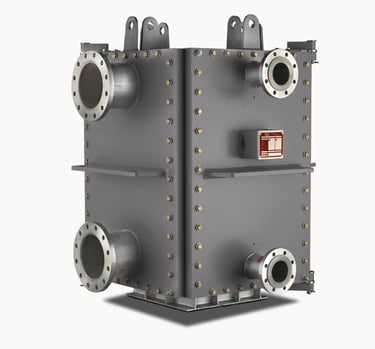
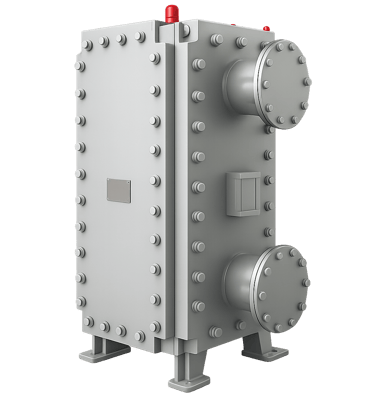
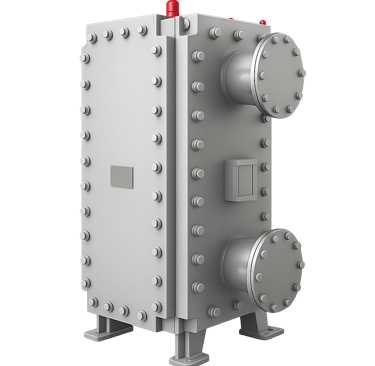
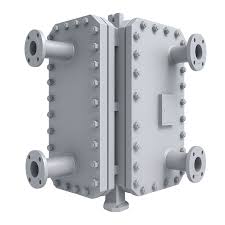
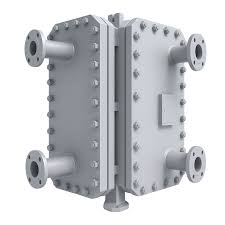
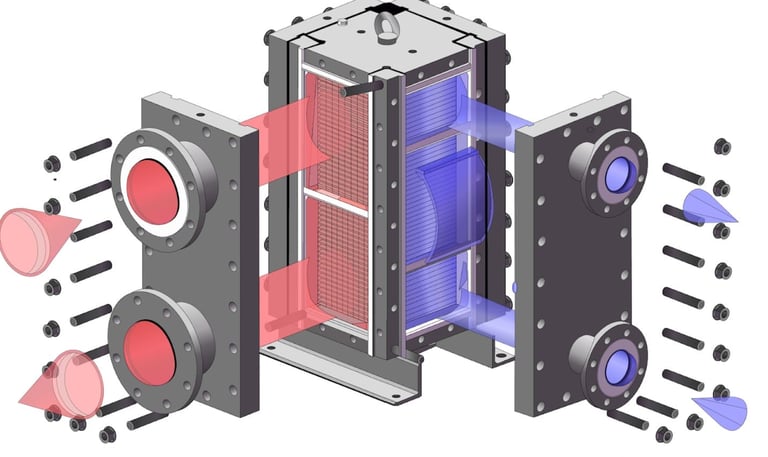
Fully- Welded Block Heat Exchanger: This fully welded, compact unit handles aggressive fluids and high temperatures without the need for gaskets. It’s perfect when you need a durable, low-maintenance option in extreme environments like petrochemicals, offshore platforms, or demanding process industries.
Shell and Plate Heat Exchanger: A hybrid of traditional shell-and-tube and plate designs, these units deliver high pressure and thermal efficiency in a smaller footprint. They're used where compactness and reliability are non-negotiable.
Semi Welded Plate Heat Exchanger
As an efficient heat exchange equipment, fully welded plate heat exchanger combines the advantages of plate heat exchanger and shell&tube heat exchanger.